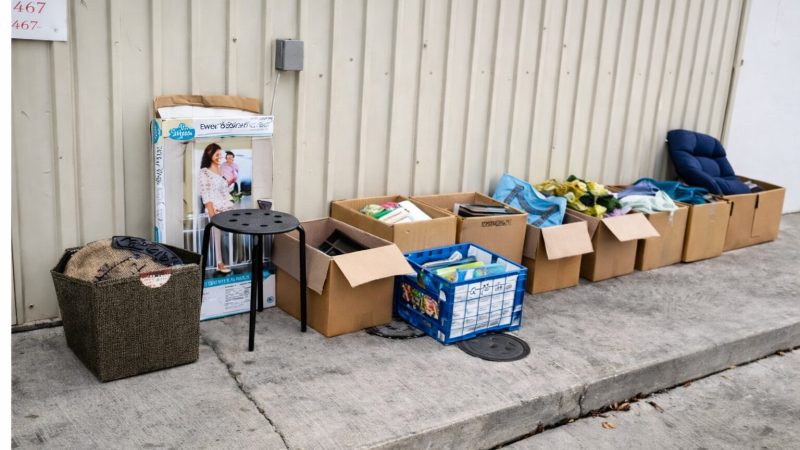
To avoid feeling overwhelmed while home decluttering, focus on small areas. Establish reasonable objectives. Sort items into different groups and work through one section at a time. Create doable routines.
Homeowners can make their space better with the help of a professional home organizer. They know the right strategies to stop decluttering from becoming an exhausting project.
Points to Consider
- Start small. Instead of clearing out an entire room at once, concentrate on a single drawer, shelf, or area.
- Establish reasonable objectives. Make consistent progress without becoming fatigued by using brief, planned sessions.
- Arrange possessions methodically. Sort things into categories like discard, recycle, sell, donate, and keep.
- Steer clear of pointless purchases. Declutter first before buying home storage solutions.
- Continue to make progress. Create easy daily routines to stop clutter from building up again.
Simple Home Decluttering Tips to Avoid Feeling Overwhelmed
Home decluttering can be made easier by breaking it up into smaller activities. Homeowners can move on at a comfortable pace with the aid of these useful suggestions.
- Start with one small area. Choose a single drawer, shelf, a bedside table, or a kitchen counter. Completing a small space provides a clear result. It makes it easier to continue with another area later.
- Set a time limit. Instead of working for hours, set aside 10 to 20 minutes for home organization. Short sessions make it easier to fit the work into a hectic schedule and help you stay focused.
- Make basic categories for sorting. Have different containers for items to keep, donate, sell, recycle, or dispose of. You can cut down on making repeated decisions by having distinct categories. Additionally, it keeps possessions from being relocated without a definite strategy.
- Eliminating obvious trash is the first step. Start by discarding empty packaging and expired goods. Get rid of things that are broken and cannot be fixed. You can make more room this way. Do this before making decisions about items that need further consideration.
- Avoid attempting to arrange everything at once. When organizing your home, resist the temptation to empty several drawers or closets. If you cannot finish sorting everything, you may end up with piles that take up more space.
- Prepare an outgoing-items box. A professional home organizer firm like Sorted Spaces advises having a box for belongings you want to donate or sell. Once it is full, arrange for the items to leave your home. Don’t let the box become another permanent storage space.
- Use a simple decision-making rule. Ask yourself whether an item is useful, regularly used, meaningful, or necessary. This helps you decide what to keep without having to inspect every single thing.
How to Make a Practical Home Decluttering Plan
A practical home organization and decluttering strategy divides a big task into manageable chunks. This guarantees that decluttering suits your home situation, energy level, and timetable. Concentrate on particular areas rather than organizing the entire house in a single day. Set attainable objectives.
- Make a list of the areas that need care. Explore the space. Determine which areas (ex., kitchen countertops or entryways) are most inconvenienced by clutter.
- Pay attention to high-impact areas. Start with places you often use. Organizing an entryway or clearing a kitchen counter can simplify daily tasks.
- Set manageable deadlines. You can assign one small task each day or schedule a few sessions each week. For example, organize one drawer on Monday, then on Wednesday do the bathroom cabinet. Depending on your availability, allot 15 to 30 minutes for each session. Decluttering the house feels easier when there is a clear ending point.
- Establish the categories for sorting. Choose ahead of time where you want to store, give, sell, recycle, or dump items. This helps you work more quickly and effectively while also reducing confusion.
Frequently Asked Questions
When feeling overwhelmed, where is the ideal spot to begin decluttering?
The best place to start is a small, manageable surface that causes daily frustration. For example, start with a nightstand or kitchen counter.
How much time should you spend decluttering each day?
Every professional home organizer says a standard decluttering session is between 15 to 30 minutes. This keeps motivation levels steady and avoids mental fatigue. But the right amount of time depends on the size of the project, your energy level, and your schedule.
How do you choose what to discard and what to keep?
Think about an item’s utility, frequency of use, significance, or necessity. Give away or sell any useful items you no longer need. Get rid of broken things and recycle appropriate ones.
How do you stop clutter from coming back?
Assign possessions to specific home storage options. Put things away after using and plan quick decluttering efforts on a regular basis. You can limit needless accumulation by reviewing purchases before bringing new items home.